Prepositions of Time: How to Use In, On, and At Correctly 2026
Prepositions of Time

Understanding Prepositions of Time is essential for speaking and writing English clearly and correctly. These small but powerful words help us explain when something happens, how long it lasts, or when an event takes place. Words such as in, on, and at may seem simple, But using them incorrectly can easily change the meaning of … Read more

Present Simple Versus Continuous: How to Use Each Tense Correctly 2026

Present Simple Versus Continuous

Understanding the difference between Present Simple Versus Continuous is essential for speaking and writing English correctly. Although both tenses describe actions happening in the present, they are used in different situations and express different meanings. The present simple is generally used for daily routines, habits, facts, and things that happen regularly. On the other hand, … Read more

Little, A Little, and The Little: Meaning, Rules, and Examples 2026

Little, A Little, The Little

Understanding the difference between little, a little, and the little can make your English sound clearer, more natural, and grammatically correct. Although these three expressions look almost identical, each has a different meaning and is used in a specific situation. Little generally expresses a negative idea, suggesting that something is hardly enough or almost none. … Read more

How Do You Spell Brought? Correct Spelling, Meaning, and Examples 2026

How Do You Spell Brought

Have you ever paused while writing because you weren’t sure whether brought is the correct spelling? You’re not alone, as many English learners confuse this word with similar-sounding words like “bought” or “brang.” If you’ve ever wondered how do you spell brought, the correct spelling is B-R-O-U-G-H-T. It is the past tense and past participle … Read more

Pastime vs Pasttime: Meaning, Spelling, and Examples Explained 2026

Pastime vs Pasttime

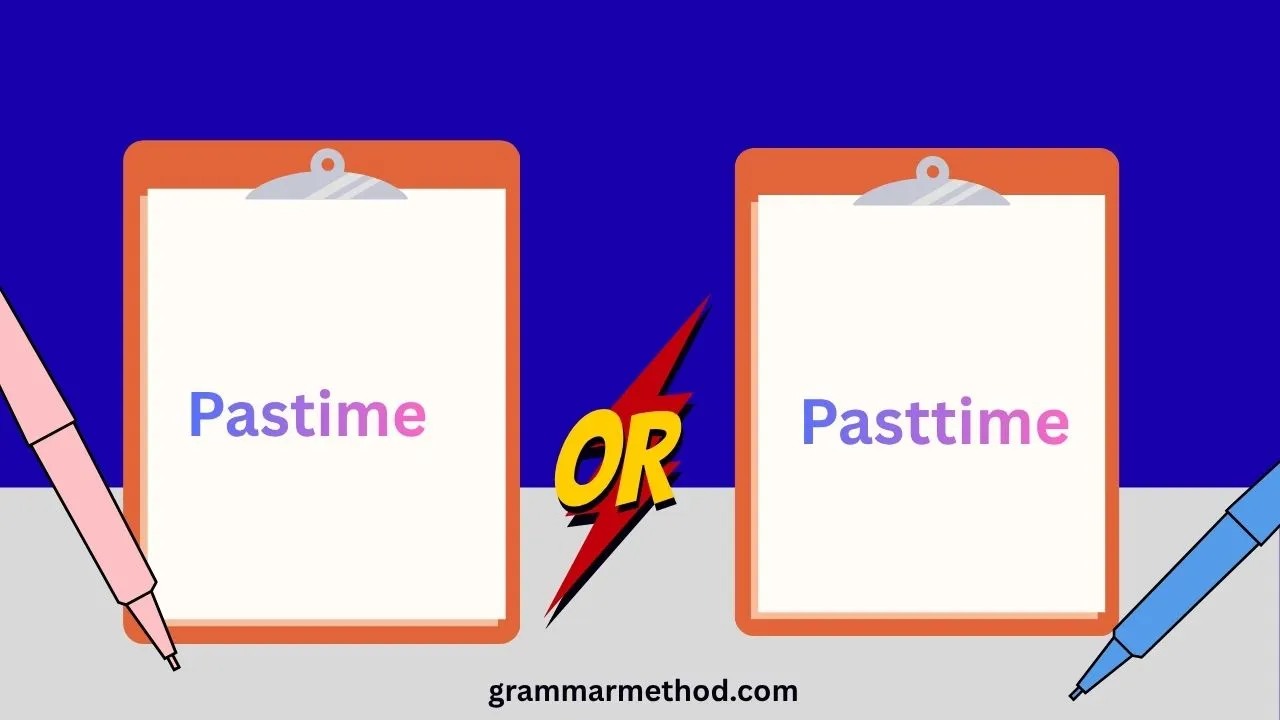
Have you ever wondered whether the correct spelling is pastime or pasttime? It is an easy mistake to make because both spellings look similar, but only one is accepted in standard English. The correct spelling is pastime, which refers to an activity someone enjoys doing during their free time for relaxation, entertainment, or pleasure. Whether … Read more

Recognise or Recognize: Meaning, Spelling, and Usage Explained 2026

Recognise or Recognize

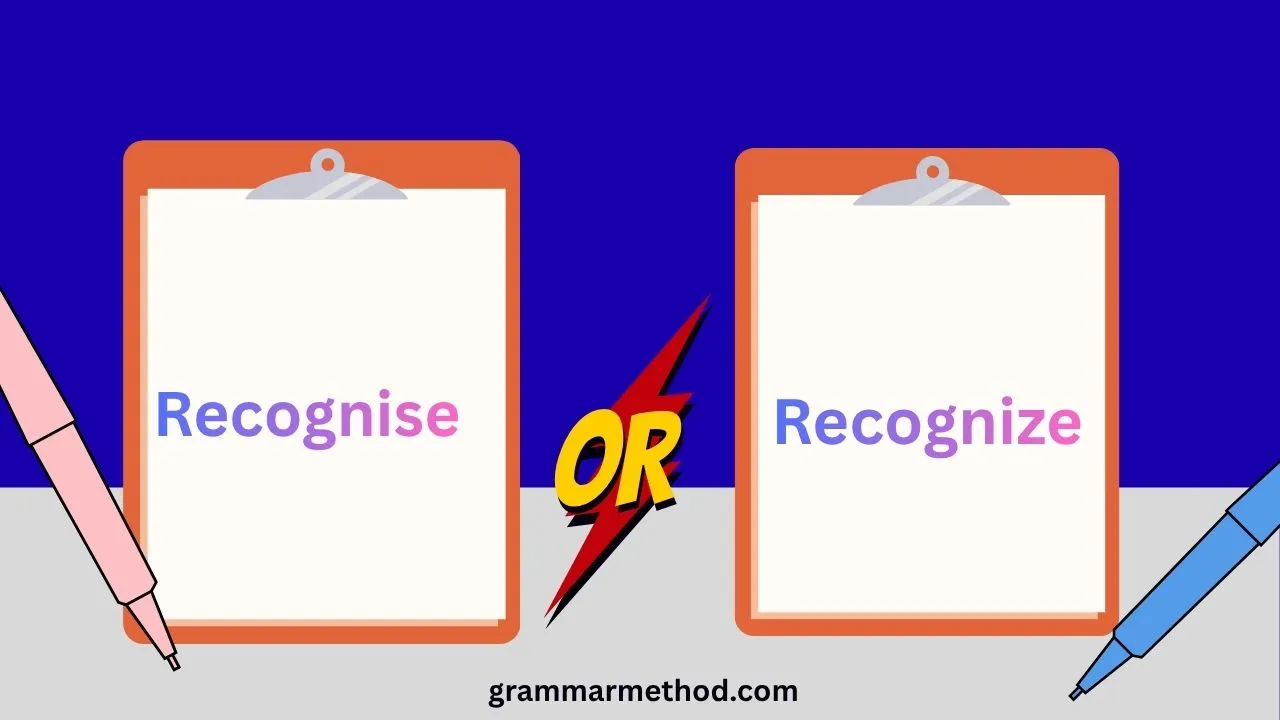
Are you ever confused about whether to write recognise or recognize? You’re not alone, as both spellings are correct, but the right choice depends on the type of English you’re using. Recognise is the preferred spelling in British English, while recognize is commonly used in American English. Although they look slightly different, both words have … Read more

Licence or License: British vs American English Explained 2026

Licence or License

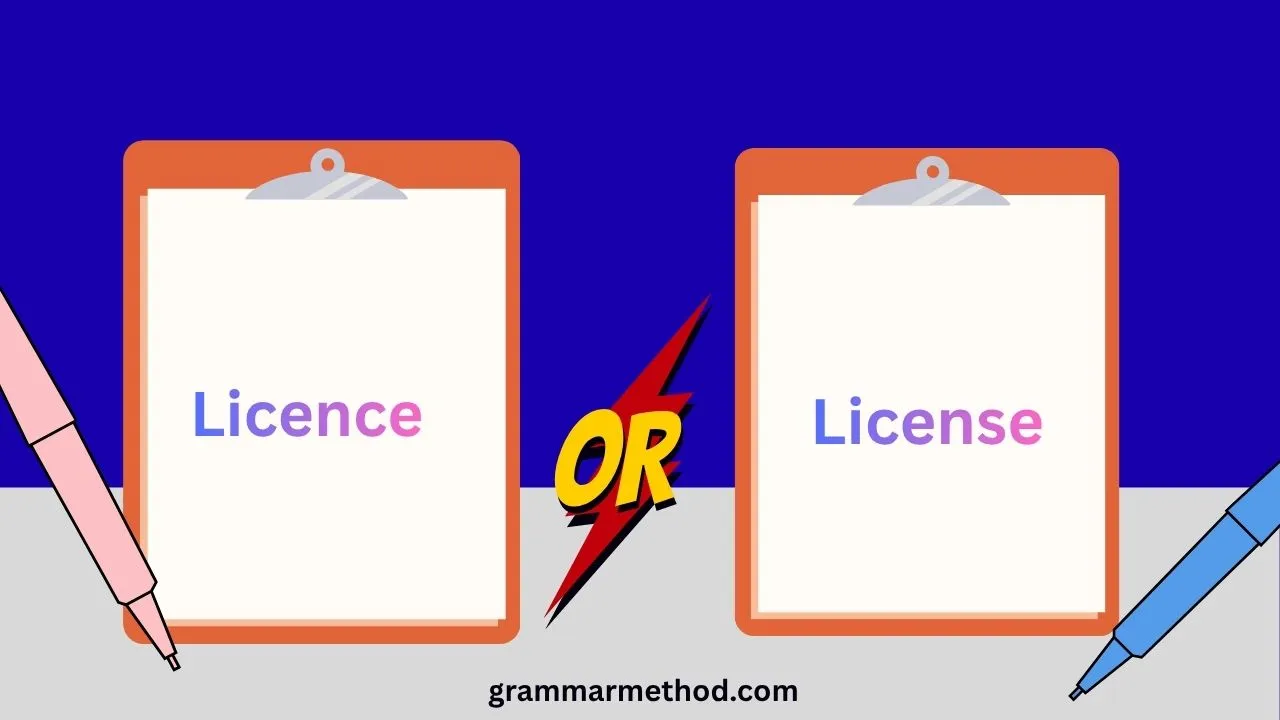
Have you ever wondered whether to write licence or license when talking about official permission, driving documents, or professional qualifications? These two spellings often confuse English learners because they look almost identical but follow different grammatical rules depending on the type of English you use. In British English, Licence is generally used as a noun, … Read more

Breath vs Breathe: What’s the Difference? Meaning and Examples 2026

Breath vs Breathe

Have you ever confused Breath vs Breathe while writing a sentence or speaking English? You’re not alone! These two words look almost identical and are closely related in meaning, but they serve completely different grammatical purposes. Breath is a noun that refers to the air you take into and release from your lungs, while breathe … Read more

Formally: Meaning, Definition, and Examples in English 2026

Formally

Have you ever come across the word formally and wondered what it actually means in everyday English? Understanding what does formally mean can help you communicate more clearly, choose the right words, and avoid confusion in different situations. The word formally is commonly used when describing something done according to official rules, proper procedures, or … Read more